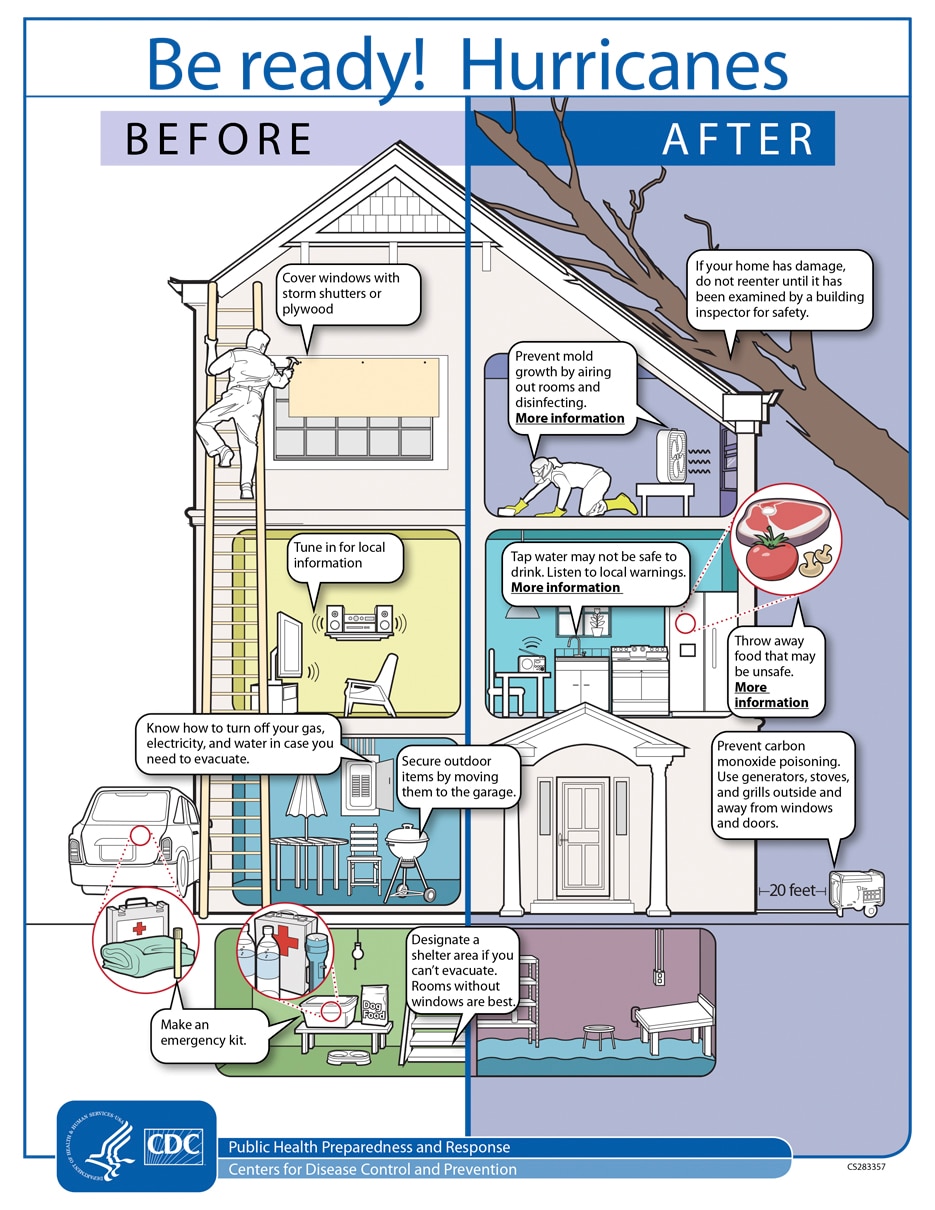
When basement flooding occurs, it can interrupt your life and cause expensive repair work. You need to act quickly to reduce damage and guarantee your area is safe once more. First, you'll intend to determine the resource of the water and start the cleanup process. But understanding the causes and carrying out effective restoration strategies is important for long-lasting avoidance. What actions should you take alongside safeguard your home from future issues?
Reasons For Basement Flooding and How to Address Them?
Cellar flooding can stem from several typical causes, and addressing them promptly is essential to avoid considerable water damage.
First, bodily fluids cleanup or rapid snowmelt can overwhelm your water drainage systems. See to it rain gutters and downspouts are clear and direct water far from your structure.
Second, inadequate grading around your home can bring about water merging near your basement. You may require to regrade your yard to make sure appropriate drainage.
Third, plumbing leaks from defective pipelines or home appliances can add to excess wetness. On a regular basis examine your pipes for any signs of wear or leaks.
Lastly, groundwater seepage via fractures in your foundation can be a concern. Seal these fractures with ideal materials to safeguard your basement from future flooding.
Step-by-Step Water Damage Control and Cleanup Process
When handling water damages, a systematic strategy can make all the distinction. Begin by examining the affected locations. Recognize the source of the water and quit it preferably.
Next off, record the damage with photos for insurance policy purposes. Remove any type of standing water utilizing pumps or damp vacs, and make sure appropriate air flow to dry the space.
Check for hidden dampness in wall surfaces and floors, and get rid of any type of drenched products like carpets or drywall.
Disinfect the area to stop mold and mildew growth; utilize a combination of water and bleach for therapy.
Finally, https://johnathanzumod.blogitright.com/41166791/the-all-inclusive-guide-for-homeowners-on-water-damages-repair-and-mold-prevention to guarantee it's drying out appropriately. By following these steps, you can effectively take care of the water damage and plan for the following phases of restoration.
Next Steps After Water Damages: Secret restoration Strategies
After you've assessed and tidied up the preliminary water damage, it's time to focus on repair strategies that can bring your basement back to its initial state.
First, make certain proper ventilation to assist dry the area; open home windows and make use of followers to distribute air.
Next, consider using a dehumidifier to lower wetness levels, avoiding mold and mildew growth.
Evaluate and replace any damaged insulation or drywall, as these materials can trap water.
Tidy and sterilize all surfaces with a mix of water and bleach to get rid of bacteria.
Lastly, examine your flooring; if it's wood, permit it to completely dry gradually to avoid warping.
For carpets, consider expert cleaning or replacement if they're also harmed.
Taking these actions will certainly assist restore your basement successfully.
Verdict
In conclusion, taking care of cellar flooding can be overwhelming, but by following these actions, you can efficiently handle the situation. Recognize the source, eliminate standing water, and document the damage. Remember to disinfect the area and screen for concealed wetness. Once What safety precautions should I take during the restoration process 've restored your space, take preventive measures to prevent future issues. Stay watchful with regular evaluations and watch on weather condition patterns to protect your basement from potential flooding down the line.